
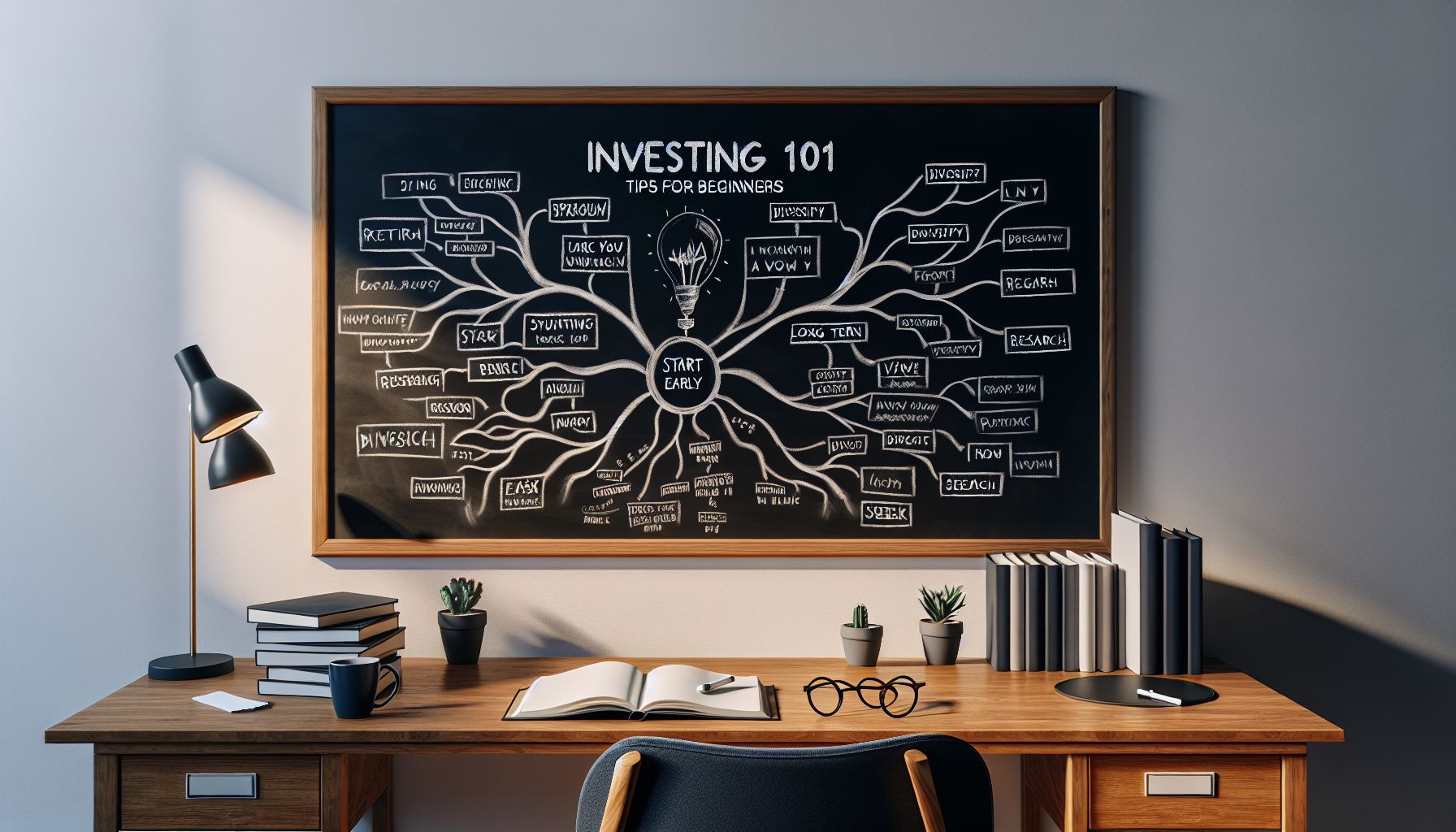
Investing can seem like a daunting task, especially for beginners. With so many options and strategies to choose from, it’s easy to feel overwhelmed. However, investing doesn’t have to be complicated. By following a few key tips, you can start building a solid investment portfolio that will help you reach your financial goals. In this article, we’ll cover some investing basics and provide valuable tips for beginners.
Understanding Your Risk Tolerance
One of the most important factors to consider when investing is your risk tolerance. This refers to how comfortable you are with the possibility of losing money. Generally, the higher the potential return on an investment, the higher the risk involved. It’s important to assess your own risk tolerance before making any investment decisions. If you’re more risk-averse, you may prefer to invest in safer options such as bonds or mutual funds. On the other hand, if you’re willing to take on more risk for the potential for higher returns, you may want to consider stocks or real estate.
Diversifying Your Portfolio
Diversification is a key strategy for reducing risk in your investment portfolio. By spreading your investments across different asset classes, industries, and geographic regions, you can minimize the impact of a single investment performing poorly. Diversification helps protect your portfolio from market volatility and can improve long-term returns. Consider investing in a mix of stocks, bonds, real estate, and other assets to create a well-balanced portfolio.
Setting Clear Goals
Before you start investing, it’s important to define your financial goals. Whether you’re saving for retirement, a new home, or your children’s education, having clear objectives will help guide your investment decisions. Consider how much risk you’re willing to take on, your time horizon, and how much you can afford to invest regularly. Setting specific, achievable goals will keep you motivated and on track with your investment plan.
Investing Regularly
Consistent, disciplined investing is key to building long-term wealth. Instead of trying to time the market or make quick profits, focus on investing regularly over time. By dollar-cost averaging – investing a fixed amount at regular intervals – you can take advantage of market fluctuations and reduce the impact of volatility on your investments. Set up automatic contributions to your investment accounts to ensure you stay on track with your saving and investing goals.
Educating Yourself
Knowledge is power when it comes to investing. Take the time to educate yourself about different investment options, strategies, and market trends. Read books, attend seminars, or take online courses to improve your understanding of investing. Consider working with a financial advisor who can provide personalized advice and guidance tailored to your specific financial situation. The more you know about investing, the better equipped you’ll be to make informed decisions and build a successful investment portfolio.
Conclusion
Investing doesn’t have to be intimidating, especially for beginners. By following these tips and taking a proactive approach to your financial future, you can start building a solid investment portfolio that will help you achieve your long-term goals. Remember to assess your risk tolerance, diversify your portfolio, set clear goals, invest regularly, and educate yourself about investing. With a disciplined approach and a long-term perspective, you can confidently navigate the world of investing and set yourself up for financial success. Start investing today and take control of your financial future.