
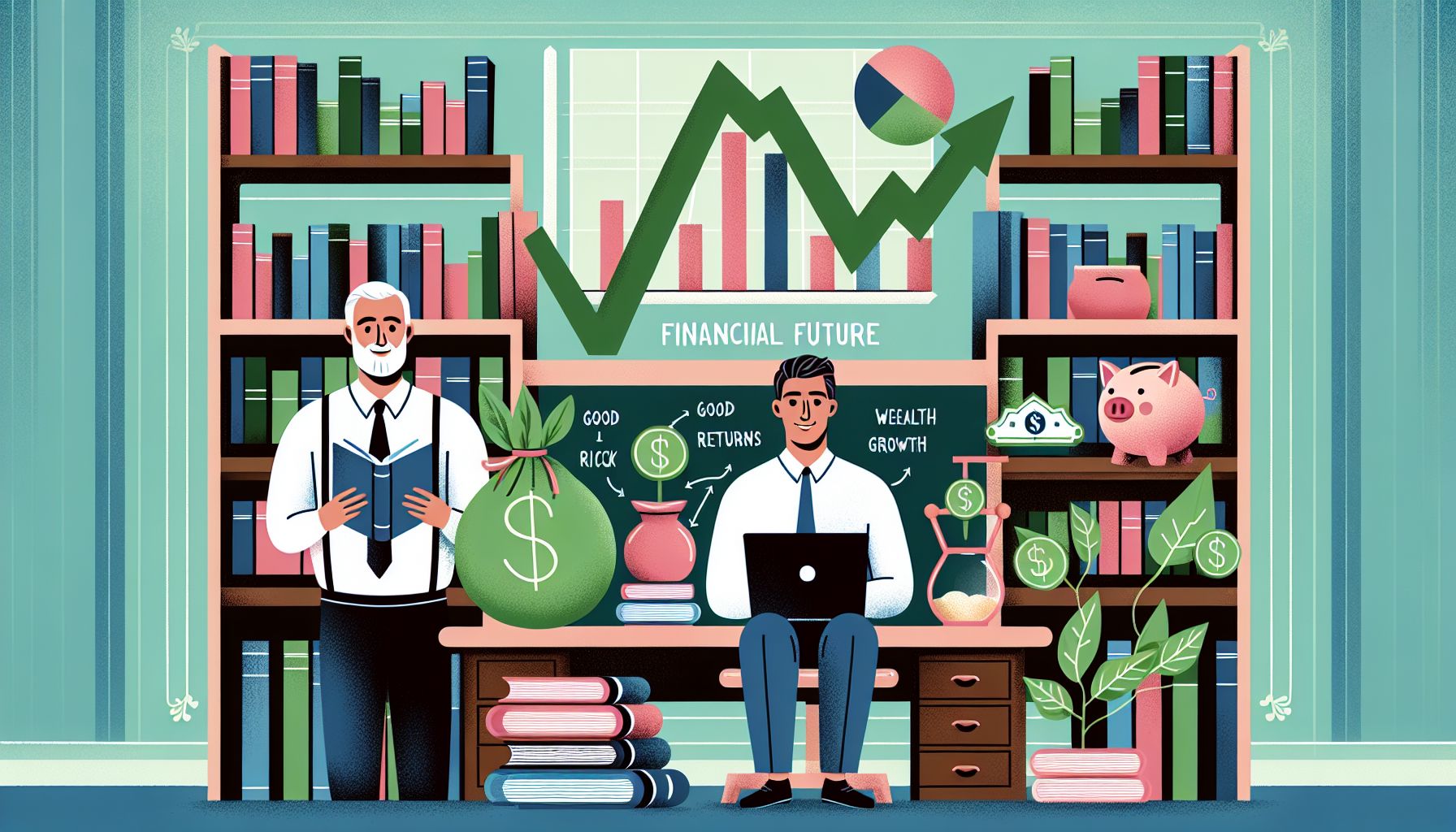
If you’ve been thinking about dipping your toes into the waters of investment, you’ve come to the right place. Investment may seem complicated, but it can be simplified if you are equipped with the right knowledge. Today, we’re going to explore the basics of investing, and some savvy tips to help you develop a robust investment strategy.
What is Investing?
At its simplest, investing involves allocating money or resources with an expectation of generating income or profit. Essentially, it’s about effectively positioning your present assets for future growth. However, it’s important to understand that there’s no such thing as a risk-free investment. Therefore, the goal should always be to manage and minimize risks while maximizing your return.
Begin with Budgeting
Before you embark on your investment journey, it’s vital to understand your financial health. Developing a budget will help you realize how much money you can afford to invest without jeopardizing your current lifestyle. Remember, investment isn’t a get-rich-quick scheme, but a long-term commitment to gradually building wealth.
Investment Tips
Understand Different Types of Investments
The investment landscape isn’t one-dimensional. Different types of investments include stocks, bonds, mutual funds, real estate, and even start-ups. Each has distinct risks, opportunities, and rates of return. Understanding these differences will allow you to spread your resources across diverse investments, decreasing your risk – a practice known as diversification.
Start Early and Invest Regularly
Time is an investor’s best friend. The sooner you start, the more time your investments have to grow and recover from market downturns. Beyond starting early, it’s also crucial to invest consistently. Whether it’s weekly, monthly, or quarterly, regular investments can balance out the highs and lows of the market.
Always Have an Emergency Fund
Before investing, always ensure you have an emergency fund for unexpected situations. Having a financial buffer will stop you from withdrawing your investment prematurely, especially during downturns when you should ideally be investing more.
Know Your Risk Tolerance
We all have different levels of comfort with risks. Some investors are risk-averse, preferring safer investments with steady returns. Others are risk-tolerant, opting for potentially high-return but volatile investments. Knowing your risk tolerance will inform your investment choices.
Don’t Put All Eggs in One Basket
“Diversification” is more than just an investment buzzword; it’s a crucial strategy that can safeguard your investments. By distributing your investments across various assets, sectors, or regions, you can mitigate the risks associated with putting all your resources into one place.
Stay Informed
Being informed will help you make investment decisions based on reality rather than emotions. Stay updated about market trends, and continuously educate yourself about financial management and investment opportunities.
Investment versus Speculation
While the rewards can be enticing, it’s important not to confuse investing with speculation. Investment is about long-term planning, risk management, and steady growth. On the other hand, speculation is high-risk, with a focus on rapid and significant returns. While speculation can offer high rewards, it can also lead to substantial losses.
Patience is a Virtue
Investors must understand that wealth-building is a marathon, not a sprint. Patience is paramount—resist the urge to pull out funds at the first sign of a slump. Instead, keep your goals in mind and have faith that over time, good investments will bear fruit.
Conclusion
Investing is an exciting journey with the potential to significantly shape your financial future. But caution and education are key—now that you have some starting blocks, take time to do more research and create an investment plan that aligns with your goals, risk tolerance, and financial situation. Remember: wise investing is not about making predictions, but making smart decisions.